

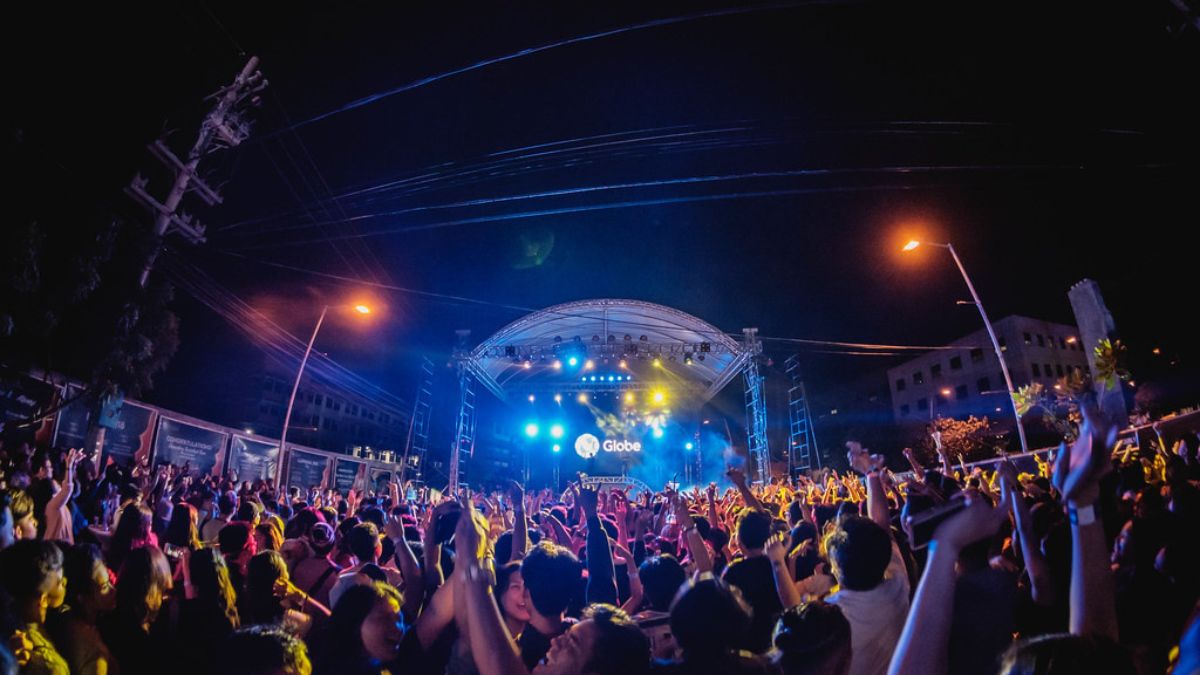
Experience a Live Concert to Its Absolute Fullest
Live Music • Concert Tips • Artist Performances • Music Festivals
A recorded track can move you. But live music events do something entirely different - they rearrange you. There is a reason people cry at concerts they have attended a dozen times, or drive hours for a two-hour show. The experience is irreplaceable, and science backs it up: live music has been shown to increase oxytocin levels and foster a genuine sense of social bonding between strangers.
Yet most concert-goers are only catching about 60% of what a live show has to offer. They arrive late, spend half the night filming for social media, or position themselves badly and miss the energy entirely. This guide exists to fix that - so the next time you walk into a venue, you walk out with something that stays with you for years.
Before the Show: Preparation That Actually Changes the Experience
The concert begins long before the artist takes the stage. What you do in the days and hours leading up to a live music event determines how deeply you connect with what happens on that stage.
Start by listening to the artist's full discography - not just the hits. When a performer plays a deep cut and the crowd falls quiet because half the room does not recognise it, you want to be in the other half. That recognition is where the real shivers come from.
Here is a practical pre-show checklist that most experienced concert-goers swear by:
- Research the setlist - Many artists stick to a consistent setlist on tour. Knowing what is coming lets you anticipate moments rather than react to them.
- Arrive early - The opening act is almost never filler. Many of today's biggest names were once someone's opening act. Give them your attention.
- Check the venue layout - Study the floor plan. Know where the sound mixing board is (the acoustic sweet spot is usually directly behind it) and where the exits are for comfortable post-show movement.
- Eat and hydrate properly beforehand - A standing-room show can last three to four hours. Your body needs fuel that is not beer and overpriced venue nachos.
- Leave most of your gear behind - A light bag, your phone, your ID, and some cash. Every extra item is something to worry about when the crowd surges.
Preparation is not about reducing spontaneity. It is about removing friction so that when the lights drop and the first note hits, your mind is completely free to be present.
During the Show: How to Make Live Music Events Feel Immersive
Your position in the venue shapes your entire concert experience. Many people default to standing as close to the stage as possible, but this is not always the best strategy - especially in large venues with complex production.
For festivals and arena shows with significant production design - LED screens, pyrotechnics, stage extensions - the optimal experience is often found at mid-floor or slightly elevated positions. You get full visual access to the entire stage setup, balanced sound from the main stacks, and room to actually move your body. Crowd energy at mid-floor is also often higher because people there are genuinely engaged rather than focused on survival at the barrier.
For smaller intimate shows - club gigs, acoustic sessions, venue showcases - being close absolutely matters. The artist performance at close range carries a different emotional weight. Eye contact happens. Sweat gets involved. That is the point.
On the phone question - the answer is nuanced:
- Capture one or two moments you genuinely want as a memory. Thirty seconds of shaky video is enough.
- After that, put the phone away. Screens between you and the stage are a barrier - literally and psychologically.
- If you feel the urge to record everything, ask yourself honestly: will you ever watch that footage again? The answer is almost always no.
The single most reliable way to enhance your live show atmosphere is to sing. Even if you are tone-deaf. Even if you only know half the words. When an entire crowd sings together, it triggers a collective emotional state that is genuinely difficult to manufacture anywhere else in modern life. Artists feel it too - and it changes their performance.
After the Show: The Part Nobody Talks About
The concert does not end when the houselights come up. The post-show window is where the experience either consolidates into a lasting memory or fades like a dream by morning. Most people skip this entirely and rush to the car park.
Walk slowly out of the venue. Do not immediately open social media. Let the ringing in your ears and the adrenaline settle for a few minutes without filling the silence. This sounds simple, but it is genuinely rare - and it makes the experience last longer in your emotional memory.
Talk about it, but talk about it specifically. Not "that was amazing" - but "when they played that bridge and the lights went completely dark for four seconds, I completely lost it." Specificity is how we encode memory. Vague positive feelings evaporate. Specific ones become stories you tell for years.
Buying merchandise at the show is not just consumerism - it is a memory anchor. Every time you wear that shirt or see that poster on your wall, your brain retrieves the concert experience. This is basic memory psychology being used in your favour.
Finally, follow the artist on whatever platforms they use to communicate directly. Many artists share behind-the-scenes content, setlist decisions, and personal reflections in the 24 hours after a show. Reading those while the experience is still fresh adds a layer of connection that most fans miss.
How Sheranis Events Brings Live Music Events to Life
Everything described in this guide - the anticipation, the atmosphere, the artist performance, the crowd energy - starts with how the event itself is designed and executed. At Sheranis Events, live concerts and artist management are core services, not sideline offerings.
The team handles end-to-end production: from securing artists and managing their technical riders, to designing stage setups that serve both the performer and the audience. Sound, lighting, crowd flow, ticketing, and on-ground management are all coordinated under one roof - so that every attendee gets the kind of experience this blog describes, not a watered-down version of it.
Whether it is a college fest with a headlining artist, a corporate event with a live music segment, or a large-scale public concert, Sheranis Events brings the production quality that turns a good show into an unforgettable one. Explore what is possible at sheranisevents.in.
FAQs: Getting the Most From Live Music Events
Q1. Where should I stand at a live concert for the best experience?
It depends on the venue and show type. For large arena or festival shows with big production design, mid-floor positions typically offer the best balance of sound quality, sightlines, and crowd energy. For small club or acoustic shows, being as close to the stage as possible gives you the most intimate experience. Avoid positions directly beside the main speaker stacks - the sound is often distorted and overwhelming at that angle.
Q2. Is it worth attending a live music event alone?
Absolutely - and many frequent concert-goers argue that solo shows are often more rewarding. You set your own schedule, position yourself wherever you want, and are far more open to connecting with strangers around you. Some of the most memorable concert experiences happen between people who arrived alone and found themselves sharing a singular moment together.
Q3. How do I protect my hearing at loud live shows without ruining the experience?
High-fidelity earplugs - not the foam ones from a pharmacy - are the answer. Brands like Etymotic and Loop make concert-specific earplugs that reduce decibel levels uniformly without muffling the sound. You hear everything clearly, just at a safer volume. Artists, sound engineers, and dedicated concert-goers use them routinely, and once you try them, you will never go back to going without.
Q4. What makes a professionally managed live concert different from a DIY event?
The difference is felt immediately and everywhere - in the sound quality, the stage transitions, the crowd management, and even the small details like signage and lighting during entry. A professionally managed event removes every friction point that distracts from the music. When logistics are invisible, the audience is completely free to be inside the experience rather than navigating around problems.
The Show That Stays With You
Live music events are one of the few experiences that cannot be streamed, replicated, or fully captured on a phone screen. They exist only in the room, only in that hour, only between the people who showed up. That is precisely what makes them worth doing right.
Prepare properly, position yourself intentionally, put the phone down, and stay in the moment long enough to let it actually land. The concerts you remember twenty years from now are the ones where you were truly present. Ready to experience or produce a live show that people talk about for years? Visit sheranisevents.in to see what Sheranis Events can make happen.
Live Concerts | Celebrity Management | College Fests | Artist Performances
0 Comments